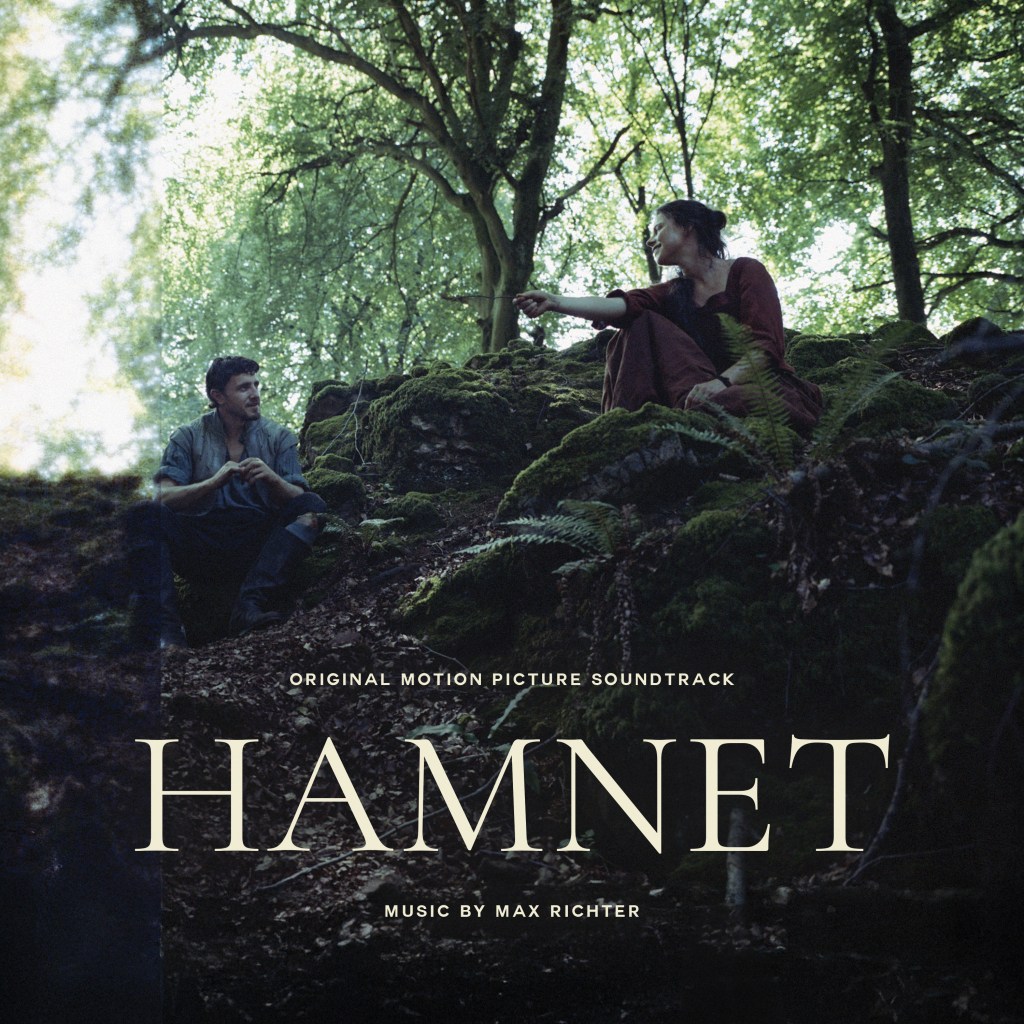
Hamnet is a true masterpiece. With heart-wrenching performances by Jessie Buckley (sure to win an Oscar for Best Actress), Paul Mescal, and Jacobi Jupe, beautiful storytelling by director Chloé Zhao, and, of course, to top it all off, an Academy Award-nominated original score by Max Richter. If you had the pleasure of watching this film in theaters, I am 99% sure you cried during the final scene to Richter: On The Nature of Daylight. Grab your tissues, cue the playlist, and let’s dive into the music!
I have been a huge fan of Max Richter for years, and was lucky enough to dance to his version of Vivaldi’s Four Seasons in 2025, as well as his original score to Wayne McGregor’s MADDADDAM in 2024.
I actually saw him during a tech rehearsal of MADDADDAM talking to the orchestra, but I was too star-struck to go say hi!
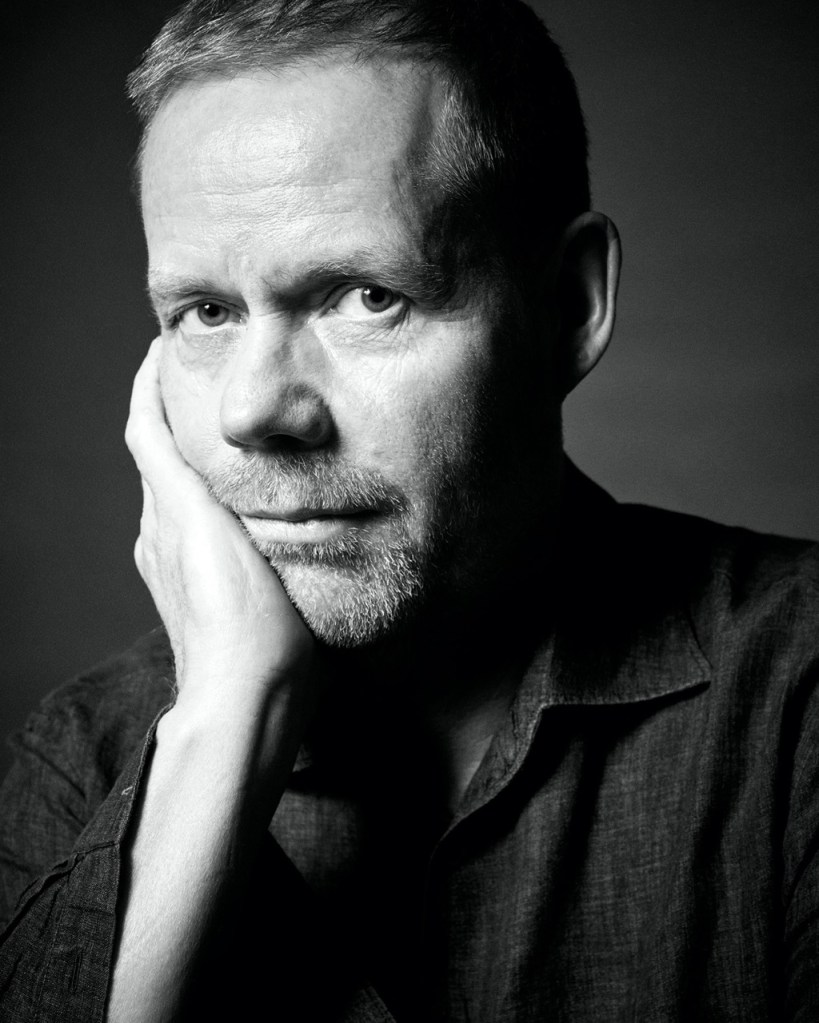
In Hamnet, Richter juxtaposes visceral orchestral pieces with moments of silence and simple plucking melodies. He uses renaissance instruments like the viols and nyckelharpa to reflect the Elizabethan era in which Hamnet is set. Throughout the film, it feels as though the score is taking us on an emotional arc and supporting the performances of the actors.
Richter’s most famous piece, On the Nature of Daylight, was not originally supposed to be used in the film Hamnet. This piece was composed in 2004 and has been used many times over the years in iconic film/tv like Shutter Island, Arrival, and The Last of Us.
Director Chloé Zhao was not satisfied with the ending sequence of the film until Jessie Buckley sent her On the Nature of Daylight by Richter. After hearing it, she became inspired and had a vision for the end of the film. Apparently, Chloé played it during the filming of the final scenes for approximately 10 hours. Richter had written a different score for the end of the film, but Chloé felt that On the Nature of Daylight had been so instrumental that it was decided to include it in the final score.
Watching the final scene in Hamnet, I felt that On the Nature of Daylight was an ideal piece to use. It evokes such sadness with a glimmer of hope, which, paired with the climax of the story, led me to cry my eyes out.
I wanted to shout out two other tracks from the score, Of Agnes and Of the undiscovered country. Of Agnes is the theme for the main character, Agnes, played by Jessie Buckley. She is a fierce mother who is deeply connected to nature, and so is seen as a bit of an outcast by society. This theme represents Agnes by using an otherworldly choral piece that is repeated many times throughout the score. I love it when composers give characters a theme; it’s such a great way to show their perspective and personality through music. Of the undiscovered country might be my favourite track from the score. It starts as a version Of Agnes and grows into a sweeping cinematic piece. It is a beautiful and emotionally invoking work of music.
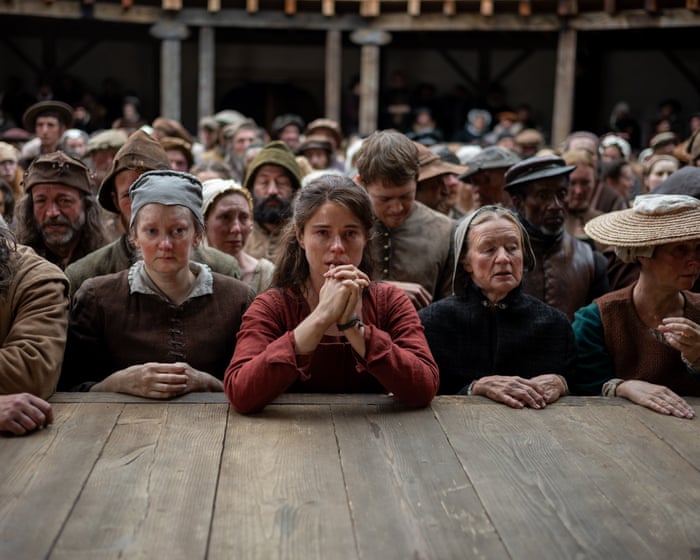
When Richter: On the Nature of Daylight started playing in this scene I lost it.
The score Richter created supports the storytelling of Hamnet while also being its own work of art. I loved the instrumental (unintentional pun) role it played in the film, and was moved to tears. I have a feeling that Richter may be winning an Oscar for best original score at this years Academy Awards.
If you’re a fan of Max Richter like I am and want to see his work performed live, the National Ballet of Canada is performing MADDADDAM which uses his original score in June 2026.
What did you think of Max Richters Hamnet score? Did you cry? Let me know in the comments below!
*Feature photo credit HERE
 Sound & Colour
Leave a comment